
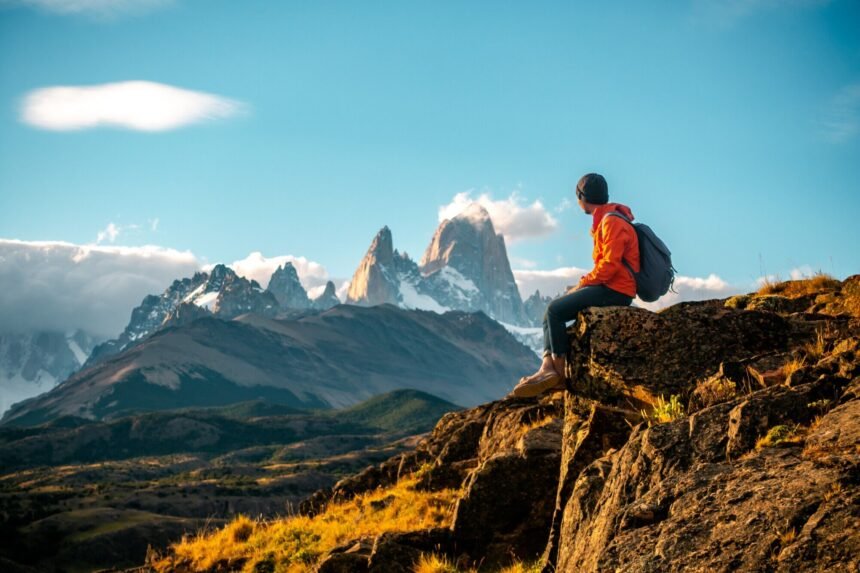
Regional/South America is one of the most exciting places on Earth, and it offers a mix of culture, nature, adventure, and history that feels almost magical. From the tall Andes Mountains to the deep Amazon Rainforest, Regional/South America is full of life and color. At the same time, it has busy cities, quiet villages, ancient ruins, and sunny beaches. Because of this, many travelers dream of exploring Regional/South America at least once in their lives. In this guide, you will learn about its countries, cultures, food, wildlife, and travel tips in a simple and easy way.
Regional/South America Geography and Natural Beauty
Regional/South America covers a large part of the southern side of the Western Hemisphere, and it includes 12 countries. For example, it has Brazil, Argentina, Chile, Peru, Colombia, and many more. Because the continent is so big, it has many different landscapes. In the west, the Andes Mountains stretch like a long wall from north to south. Meanwhile, in the north, the Amazon Rainforest spreads across several countries and holds one of the richest ecosystems in the world.
In addition, Regional/South America has deserts, waterfalls, beaches, glaciers, and rivers. The Atacama Desert in Chile is one of the driest places on Earth. On the other hand, Iguazu Falls between Brazil and Argentina shows the power of water with hundreds of waterfalls flowing together. Therefore, nature lovers often feel amazed when they travel across this continent.
Regional/South America Countries and Cultures
Regional/South America includes countries with different languages, traditions, and lifestyles. Most people speak Spanish, while Brazil speaks Portuguese. However, many Indigenous communities still speak native languages such as Quechua and Guarani. Because of this mix, the culture feels rich and unique.
For example, in Peru, you can see Inca history in ancient cities. In Brazil, you can enjoy samba music and colorful festivals. In Argentina, tango dancing tells stories of love and passion. At the same time, Colombia is known for its music and friendly people. As a result, Regional/South America feels alive with rhythm and tradition wherever you go.
Regional/South America and Ancient Civilizations
Regional/South America has a deep history that goes back thousands of years. Before European explorers arrived, powerful civilizations lived there. The Inca Empire was one of the largest in the world at that time. They built strong roads, smart farming systems, and amazing stone cities.
For example, Machu Picchu in Peru stands high in the Andes Mountains and still surprises visitors today. Although it was built hundreds of years ago, its stone walls remain strong. Because of places like this, many people travel to Regional/South America to learn about ancient cultures and see history with their own eyes.
Regional/South America Wildlife and Nature
Regional/South America is famous for its wildlife, and it is home to animals you cannot see in many other places. In the Amazon Rainforest, you can find jaguars, monkeys, colorful parrots, and pink river dolphins. Since the rainforest covers a large area, it supports thousands of plant and animal species.
Moreover, in the Galápagos Islands of Ecuador, you can see giant tortoises and unique birds. Meanwhile, in Patagonia, you might spot penguins and whales. Because of this rich biodiversity, Regional/South America is important for the planet’s health. Therefore, many travelers visit not only for fun but also to learn about nature and conservation.
Regional/South America Food and Flavors
Regional/South America offers delicious food that reflects its culture and history. In Brazil, people enjoy feijoada, a hearty bean and meat stew. In Argentina, grilled beef called asado is very popular. Meanwhile, Peru is famous for ceviche, which is fresh fish mixed with lime juice and spices.
In addition, many countries use corn, potatoes, rice, and beans in their meals. Because farming has been important for centuries, traditional recipes often use local ingredients. As a result, every country in Regional/South America has its own special dishes. When you travel there, you can taste many flavors and discover new favorites.
Regional/South America Festivals and Celebrations
Regional/South America is known for colorful festivals that bring people together. For example, Carnival in Brazil fills the streets with music, dancing, and bright costumes. During this time, people celebrate with joy and energy.
Similarly, Inti Raymi in Peru honors the Inca sun god with traditional clothing and performances. In Colombia, the Barranquilla Carnival mixes African, Indigenous, and Spanish influences. Because these events show local traditions, visitors can learn about history while having fun. Therefore, festivals play a big role in life across Regional/South America.
Regional/South America Adventure and Outdoor Activities
Regional/South America is perfect for adventure lovers. If you enjoy hiking, you can walk along the Inca Trail to Machu Picchu. Meanwhile, if you love mountains, you can explore the Andes or climb in Patagonia. Since the continent has long coastlines, surfers also enjoy beaches in Brazil and Peru.
In addition, travelers can go river rafting, zip-lining, or jungle trekking. Because the Amazon River flows through many countries, boat tours offer close views of wildlife. As a result, Regional/South America gives you many ways to explore nature and test your courage.
Regional/South America Cities and Modern Life
Regional/South America is not only about nature; it also has lively cities. São Paulo in Brazil is one of the largest cities in the world. Buenos Aires in Argentina mixes European style with Latin spirit. Meanwhile, Bogotá in Colombia sits high in the mountains and offers art, museums, and tasty street food.
Because cities continue to grow, they blend modern life with tradition. You can see old churches next to tall buildings. At the same time, markets sell handmade crafts while shopping malls offer global brands. Therefore, Regional/South America shows how the past and present live side by side.
Regional/South America Climate and Best Time to Visit
Regional/South America has different climates because it covers a large area. Near the equator, the weather stays warm all year. However, in the south, winters can be cold, especially in Patagonia. Since seasons are opposite to North America and Europe, summer there happens from December to February.
If you want to visit the Amazon, the dry season may be easier for travel. On the other hand, if you plan to see snow in the Andes, winter might be better. Therefore, the best time to visit Regionals/South America depends on what you want to see and do.
Regionals/South America Travel Tips and Safety
Regionals/South America can be safe and welcoming, but travelers should plan carefully. First, learn a few basic Spanish or Portuguese phrases because locals appreciate the effort. Second, keep your belongings secure in busy areas. Although most trips go smoothly, staying alert helps you avoid problems.
In addition, research visa rules and health advice before traveling. For example, some areas may require vaccines. Because distances between cities can be large, plan your transport in advance. As a result, good planning will make your Regional/South America adventure more enjoyable.
Regional/South America Economy and Resources
Regionals/South America has strong natural resources, including oil, minerals, and farmland. Brazil produces coffee and soybeans, while Chile exports copper. Meanwhile, Argentina grows wheat and raises cattle. Because of these industries, many countries depend on trade.
However, economic growth can vary from one country to another. While some cities look very modern, other areas face poverty. Therefore, governments continue working on development and education. Even so, Regionals/South America remains an important part of the global economy.
Regionals/South America Art and Music
Regional/South America has inspired the world with its art and music. Tango from Argentina tells emotional stories through dance. Samba from Brazil brings energy and rhythm. Meanwhile, Andean music uses flutes and drums to create peaceful sounds.
In addition, artists paint colorful murals in cities like Bogotá and Santiago. Because art reflects daily life and history, it helps people express their feelings and identity. Therefore, culture in Regionals/South America feels creative and powerful.
Regionals/South America and Environmental Challenges
Regionals/South America faces environmental challenges, especially in the Amazon Rainforest. Deforestation happens when trees are cut down for farming or mining. Because the rainforest helps control the world’s climate, this issue affects everyone.
However, many groups now work to protect nature. Governments, local communities, and global organizations support conservation projects. As a result, awareness is growing, and people understand the need to protect Regional/South America’s natural treasures.
Why Regionals/South America Matters to the World
Regional/South America matters because it offers culture, food, music, history, and nature that enrich the world. It also provides important resources and protects biodiversity. Since it connects different cultures and ecosystems, it plays a key role on the global stage.
Moreover, it teaches lessons about strength and diversity. People there celebrate traditions while also building modern futures. Therefore, Regionals/South America stands as a continent of hope, beauty, and resilience.
Читати далі: Сергій Станіславович Ребров – Великий Футболіст та Тренер Українського Футболу
Conclusion Regional/South America
Regional/South America is a continent full of wonders, and it invites travelers, students, and dreamers to explore its beauty. From ancient ruins to lively cities, from rainforest animals to mountain peaks, it offers something for everyone. Because its culture feels warm and welcoming, visitors often leave with unforgettable memories. In the end, Regional/South America is not just a place on the map; it is a vibrant world waiting to be discovered.


